Brow Lamination vs Microblading: What’s the Difference and Which Treatment Is Right for Your Client?
What Is Brow Sculpting? A Complete Guide to Professional Brow Shaping for Beauty Salons
May 1, 2026
Lash Lift vs Eyelash Extensions: Which Is Better?
May 13, 2026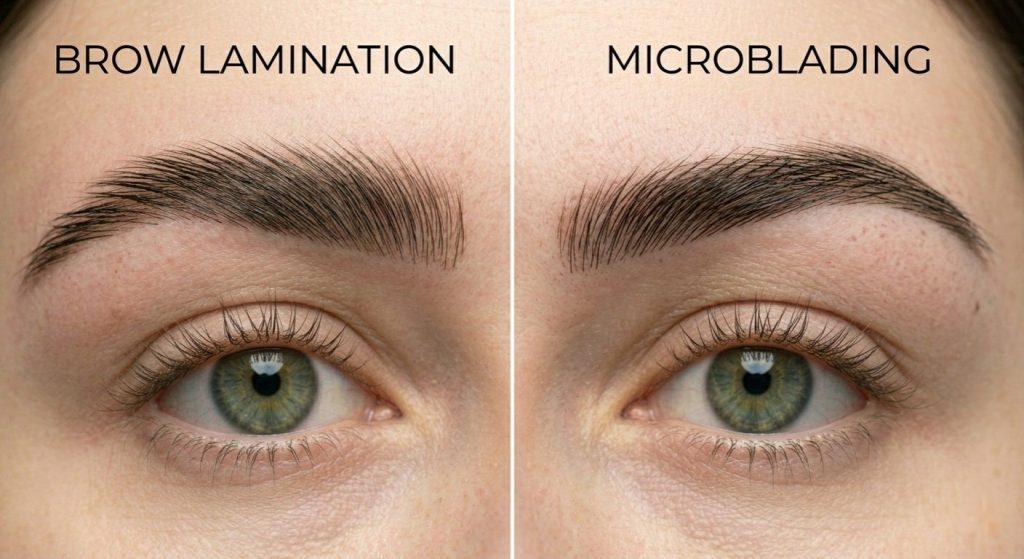
When clients want fuller, more defined eyebrows, two treatments often come up in consultation: brow lamination and microblading. While both services enhance the brows, they work in very different ways and suit different client needs.
For salon professionals, understanding the difference is essential. Recommending the right treatment depends on the client’s natural brow hair, desired result, lifestyle, maintenance preferences and comfort with either a non-invasive or semi-permanent procedure.
This guide explains how brow lamination and microblading compare, who each treatment suits best, and how brow technicians can guide clients towards the most appropriate option.
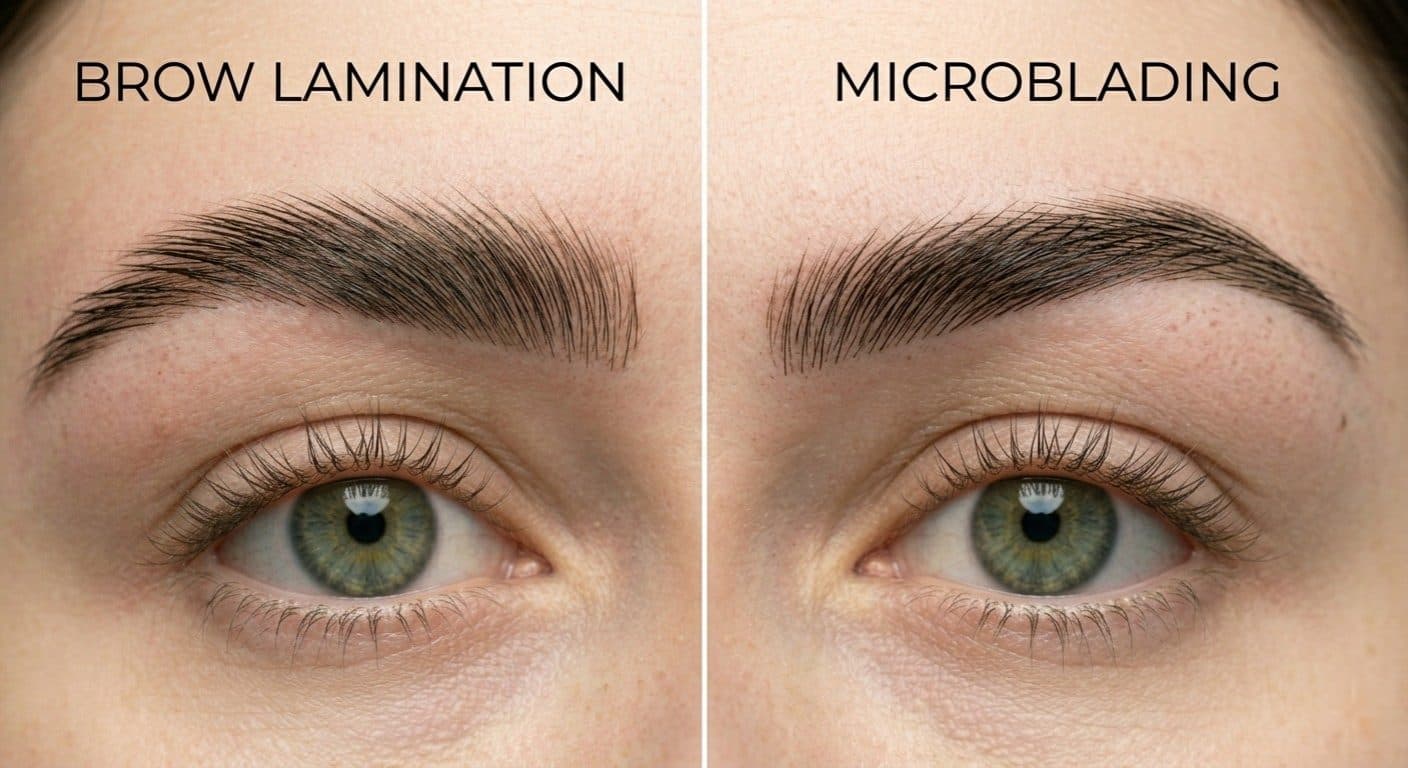
What Is Brow Lamination?
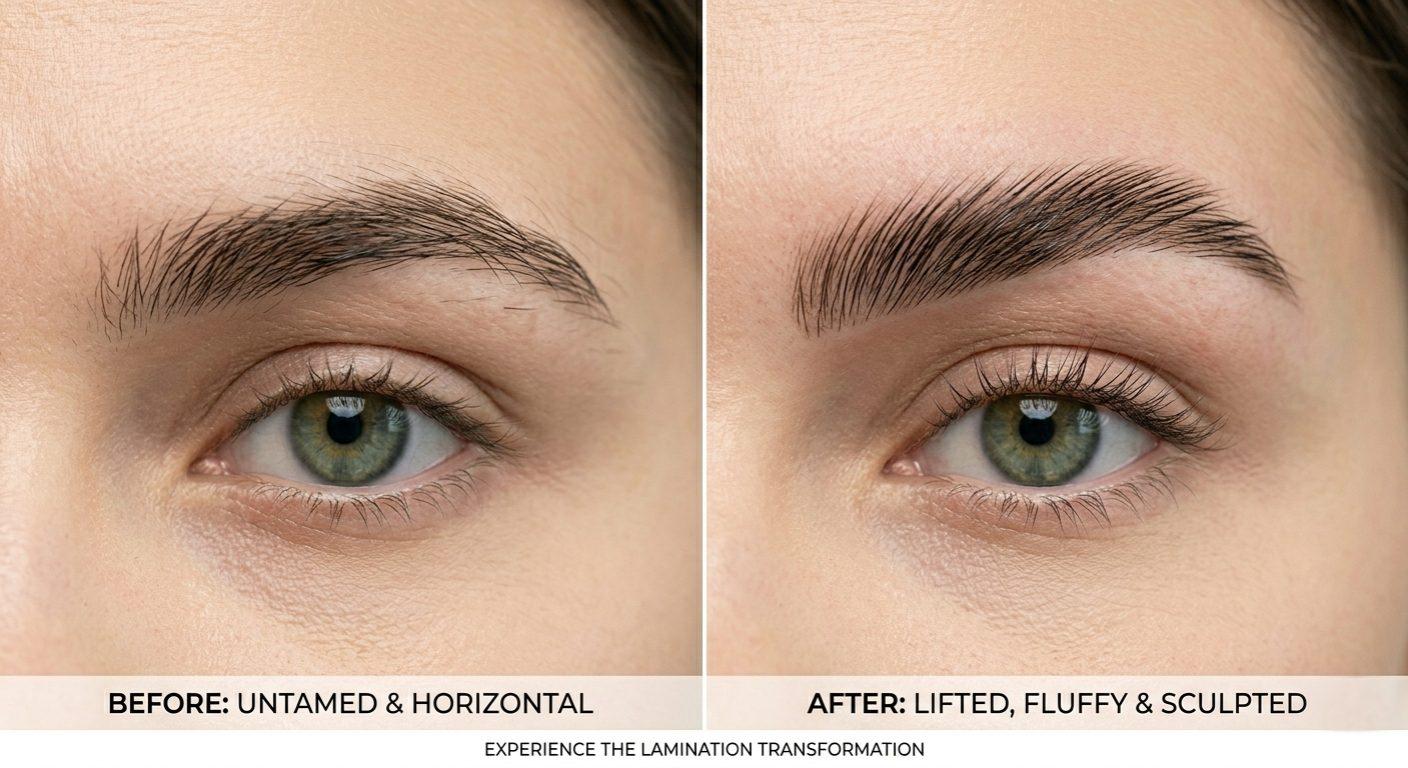
Brow lamination is a professional brow treatment that restructures the natural brow hairs so they can be brushed into a more lifted, uniform and defined shape. It is designed to improve the appearance of the brows without tattooing or adding pigment into the skin.
The treatment is especially popular for clients who already have brow hair but want it to appear fuller, smoother or more controlled. It can help create a fluffier, more styled look while improving symmetry and manageability.
How brow lamination works
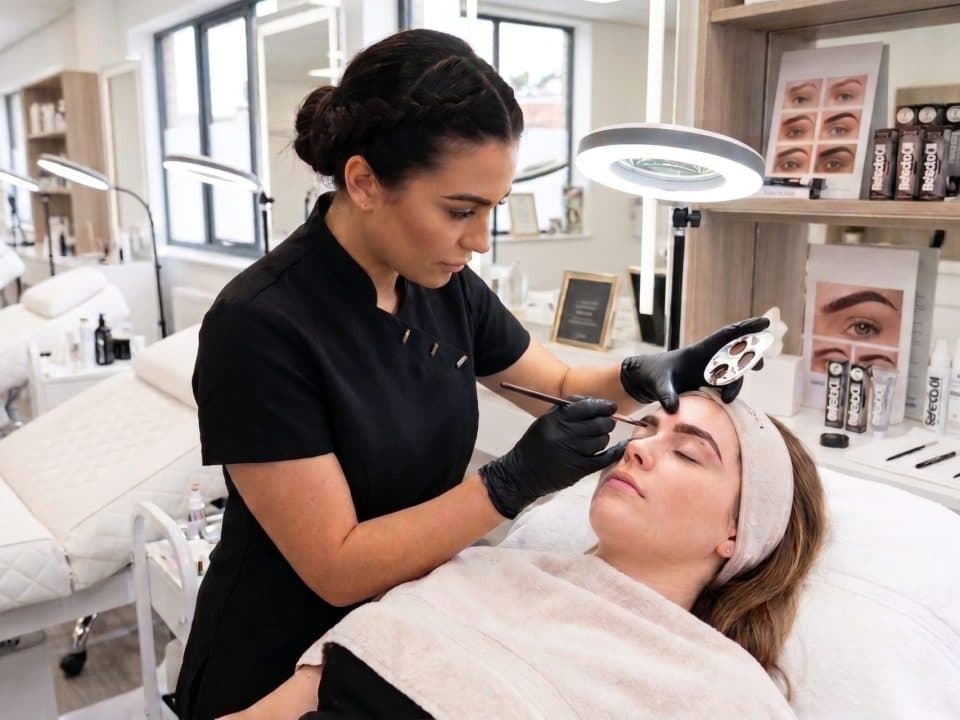
During this treatment, professional brow lamination solutions are applied to soften and reset the brow hairs into a new position. The hairs are then brushed into the desired shape and fixed in place to create a more polished, lifted result.
This process helps:
- smooth unruly or coarse brow hairs
- redirect downward-growing hairs
- create the appearance of fuller brows
- improve shape and structure
Because the treatment works with the client’s existing brow hair, the result is based on what is naturally there. This makes brow lamination a strong option for clients who want enhancement without committing to a semi-permanent procedure.
Who is brow lamination best for?
Brow lamination is often ideal for clients who have:
- unruly or wiry brows
- uneven brow growth
- downward-growing brow hairs
- gaps that can be disguised by repositioning existing hair
- naturally full brows that need more shape and control
It is also a good option for clients who want a non-invasive brow treatment with a soft, fashion-forward finish.
How long does brow lamination last?
Brow lamination typically lasts around 4 to 6 weeks, depending on the client’s hair growth cycle, aftercare routine and product use. Regular maintenance appointments are usually needed for clients who want to keep the brows looking freshly styled.
What Is Microblading?
Microblading is a semi-permanent eyebrow enhancement treatment that uses a handheld tool to implant pigment into the skin in fine, hair-like strokes. The aim is to mimic the look of natural eyebrow hairs and create more definition, shape and fullness.
Unlike brow lamination, microblading does not rely on repositioning the existing brow hairs. Instead, it adds the appearance of hairs through pigment placement, making it a different category of brow service altogether.
How microblading works
In a microblading procedure, a trained technician uses a manual tool with very fine needles to create superficial strokes in the skin and deposit pigment. These strokes are designed to resemble natural brow hairs and can be used to build a brow shape where hair is sparse or missing.
Microblading is generally chosen by clients who want:
- more long-lasting brow definition
- improved shape and structure
- the appearance of fuller brows where natural hair is limited
- less reliance on daily brow makeup
Because it involves pigment implantation into the skin, microblading is considered more invasive than brow lamination and requires careful consultation, hygiene protocols and aftercare.
Who is microblading suitable for?
Microblading may suit clients who have:
- sparse brows
- minimal natural brow hair
- visible gaps that cannot be covered by brushing existing hairs
- a desire for longer-lasting brow enhancement
It is often considered by clients who want a more defined brow shape over a longer period, rather than a temporary styling treatment.
How long does microblading last?
Microblading results commonly last between 12 and 24 months, depending on skin type, sun exposure, lifestyle, pigment retention and touch-up appointments. Oily skin types may experience faster fading, while some clients may need maintenance sooner than others.
Brow Lamination vs Microblading: Key Differences
Although clients may compare brow lamination or microblading as if they are interchangeable, they serve different purposes. Understanding those differences helps brow technicians make better treatment recommendations.
Treatment technique
The biggest difference between brow lamination and microblading is the method used.
Brow lamination works by chemically restructuring and repositioning the natural brow hairs. It enhances what the client already has.
Microblading works by implanting pigment into the skin to simulate hair strokes. It creates the appearance of brow hair where more definition or fullness is needed.
Level of invasiveness
Brow lamination is non-invasive. It treats the brow hairs only and does not break the skin.
Microblading is a semi-permanent cosmetic tattoo technique. Because pigment is placed into the skin, it requires a different level of training, care, hygiene and client screening.
For many clients, this distinction plays a major role in treatment choice.
Results and appearance
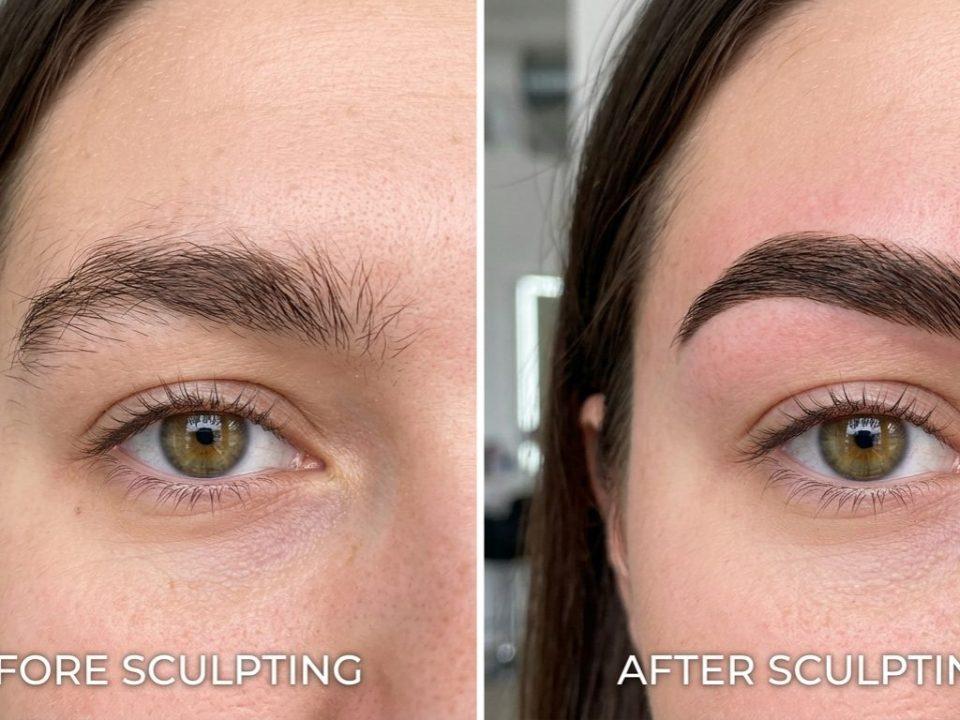
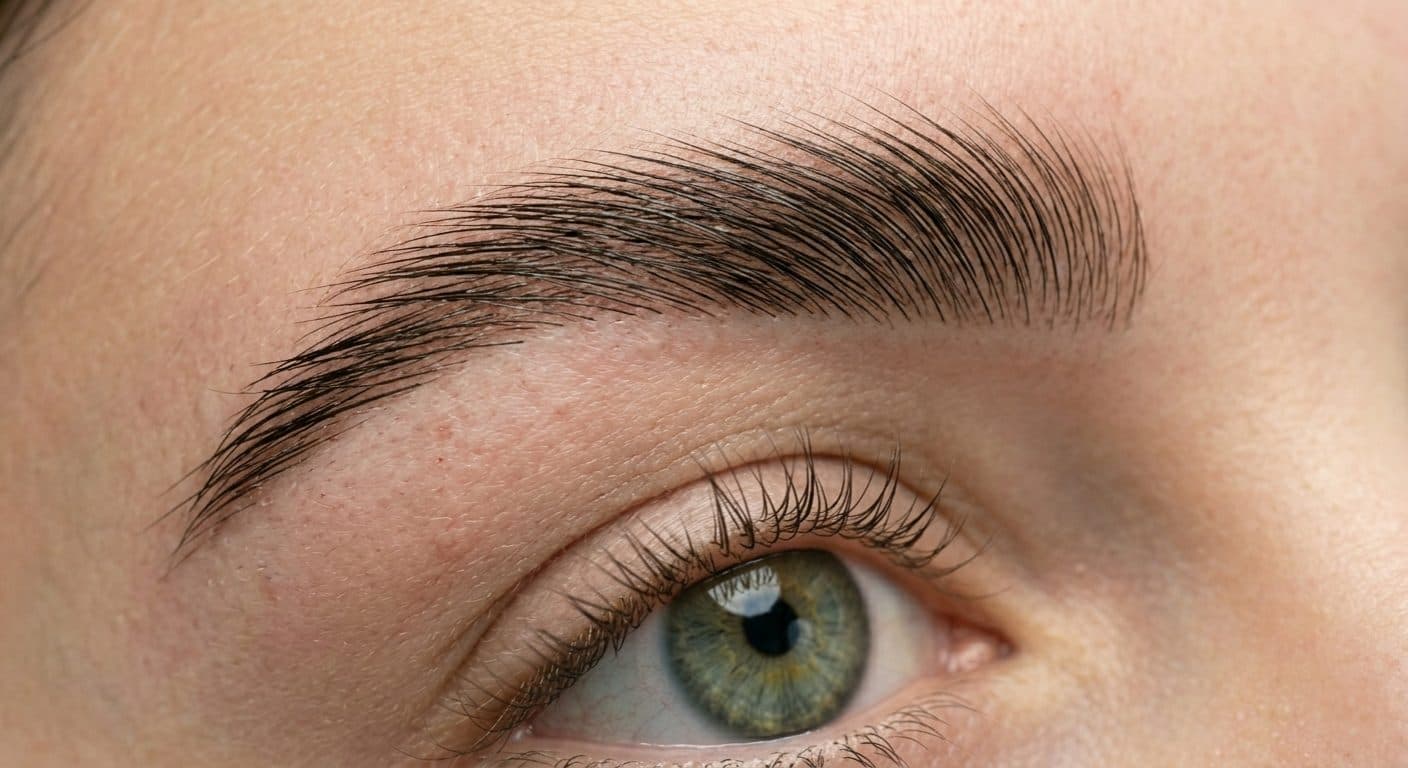
Brow lamination creates a lifted, brushed-up and fuller-looking brow. The result can appear soft, fluffy, sleek or structured depending on the styling approach and the client’s natural brow pattern.
Microblading creates a more defined brow shape through fine pigment strokes. The aim is often to replicate the look of real hairs and improve overall brow density and symmetry.
In simple terms:
- brow lamination enhances natural hair
- microblading adds a semi-permanent hair-stroke effect
Longevity of results
Brow lamination is temporary and usually lasts several weeks.
Microblading is semi-permanent and can last well over a year.
Clients who want flexibility and lower commitment may prefer lamination. Clients who want a longer-term result may be more interested in microblading.
Maintenance requirements
Brow lamination requires more regular salon visits to maintain the look. Clients also need to follow aftercare advice, especially in the first 24 to 48 hours after treatment.
Microblading generally requires fewer appointments overall, but touch-ups are needed to maintain colour and shape over time. Healing also plays a major role in the final result, so aftercare and client compliance are essential.
Which Treatment Should You Recommend to Clients?
There is no single answer to whether brow lamination is better than microblading. The best treatment depends entirely on the client’s brow condition, desired result and treatment expectations.
Recommend brow lamination when the client:
- has enough natural brow hair to work with
- wants a fuller or more lifted appearance
- prefers a non-invasive treatment
- likes the idea of temporary results
- wants to combine the service with tinting or shaping
For example, a client with thick but messy or downward-growing brows may see excellent results from brow lamination. The treatment can create a cleaner, more elevated shape without the need for tattooing.
Recommend microblading when the client:
- has very sparse brows
- wants long-lasting definition
- has gaps that cannot be concealed with existing brow hair
- is comfortable with a semi-permanent cosmetic procedure
- understands the healing and maintenance involved
For example, a client with minimal natural brow hair who wants a more complete brow shape may be better suited to microblading than brow lamination.
Key consultation points for technicians
Before recommending either service, consider:
- natural brow density
- hair texture and growth direction
- skin type
- desired finish
- medical or skin-related contraindications
- maintenance preferences
- previous brow procedures
A thorough consultation allows you to explain the difference between brow lamination and microblading clearly and align the recommendation with the client’s goals.
Can Clients Combine Brow Lamination With Other Brow Treatments?
Yes, brow lamination can often be combined with other professional brow services to create a more complete result.
Common complementary treatments include:
- brow tinting
- hybrid tint
- brow shaping
- waxing or tweezing
- brow styling and finishing products
For clients with good brow hair but lighter colour or uneven definition, combining brow lamination with tinting can make the brows appear more noticeable and polished. This can be especially effective for clients who want visible enhancement without choosing a semi-permanent treatment such as microblading.
Professional Tips for Brow Technicians
Before diving into specific best practices, it’s important for brow technicians to follow a structured approach that ensures consistent results, client satisfaction, and professional standards in every treatment.
Conduct a thorough consultation
Always start by assessing the client’s natural brow pattern, skin condition, brow goals and treatment history. Some clients ask for microblading when brow lamination would meet their needs, while others request lamination even though they do not have enough natural hair for the desired outcome.
Manage expectations clearly
Clients need to understand that these treatments create different results. Brow lamination does not replace missing brow hair, and microblading does not create the fluffy, brushed-up finish of a lamination treatment.
Clear explanations help avoid disappointment and build trust.
Explain maintenance honestly
A client choosing brow lamination should know it requires regular upkeep. A client choosing microblading should understand that the service involves healing, touch-ups and gradual fading over time.
Recommend appropriate aftercare
Professional aftercare supports better results for both treatments. Brow lamination clients need guidance on keeping the brows dry initially and using suitable conditioning or styling products where recommended. Microblading clients need detailed healing advice and must follow all post-treatment instructions carefully.
Common Client Questions About Brow Lamination vs Microblading
Clients often compare these services because they both improve brow appearance, but they are not direct substitutes in every case. Most questions come back to four main concerns:
- which treatment looks more natural
- which lasts longer
- which is safer or less invasive
- which option suits thin or sparse brows
This is where technician expertise matters. The best recommendation is not based on trends alone, but on the client’s natural starting point and realistic outcome.
Frequently Asked Questions About Brow Lamination vs Microblading
What is the difference between brow lamination and microblading?
Brow lamination restructures and sets the natural brow hairs into place to create a fuller, more lifted shape. Microblading is a semi-permanent cosmetic tattoo treatment that uses pigment in the skin to mimic eyebrow hairs.
Which lasts longer: brow lamination or microblading?
Microblading lasts much longer. Brow lamination usually lasts around 4 to 6 weeks, while microblading can last 12 to 24 months depending on the client and maintenance.
Is brow lamination safer than microblading?
Brow lamination is generally considered less invasive because it works with the natural brow hairs and does not break the skin. Microblading involves pigment implantation, so it requires stricter hygiene, suitability checks and aftercare.
Can brow lamination replace microblading?
For some clients, yes. If a client has enough natural brow hair, brow lamination can create a fuller and more defined look without tattooing. However, clients with very sparse brows may still be better suited to microblading.
Which brow treatment is best for thin brows?
It depends on how much natural brow hair the client has. If there is enough hair to lift, shape and reposition, brow lamination may work well. If the brows are very sparse, microblading may deliver a more noticeable result.
Final Recommendations for Technicians
Brow lamination and microblading are both valuable brow services, but they are designed for different outcomes. Brow lamination is ideal for enhancing and styling the natural brow hairs, while microblading is better suited to creating longer-lasting definition where hair is sparse.
For beauty professionals and salons, the goal is not to decide which treatment is universally better, but which treatment is right for each individual client. With the right consultation, clear education and professional treatment planning, brow technicians can confidently recommend the service that best matches the client’s brow type, expectations and lifestyle.
To support consistent, high-quality brow lamination results, salons should also ensure they are using reliable, professional-grade products. RefectoCil offers a range of brow lamination solutions, styling products, and complementary treatments designed to help technicians achieve controlled, long-lasting, and well-defined brows. By stocking the right products, salons can not only improve treatment outcomes but also deliver a more complete brow service experience for their clients. Explore the full range and shop now to elevate your brow services.